Brain games? What hidden object scenes really ask of you
Spend five minutes online and you'll see observation games sold as "brain boosters" that will "sharpen your memory" or "turn back the clock." We'd rather be straight with you: here's what these games actually ask of a player, and here's what we simply don't know.
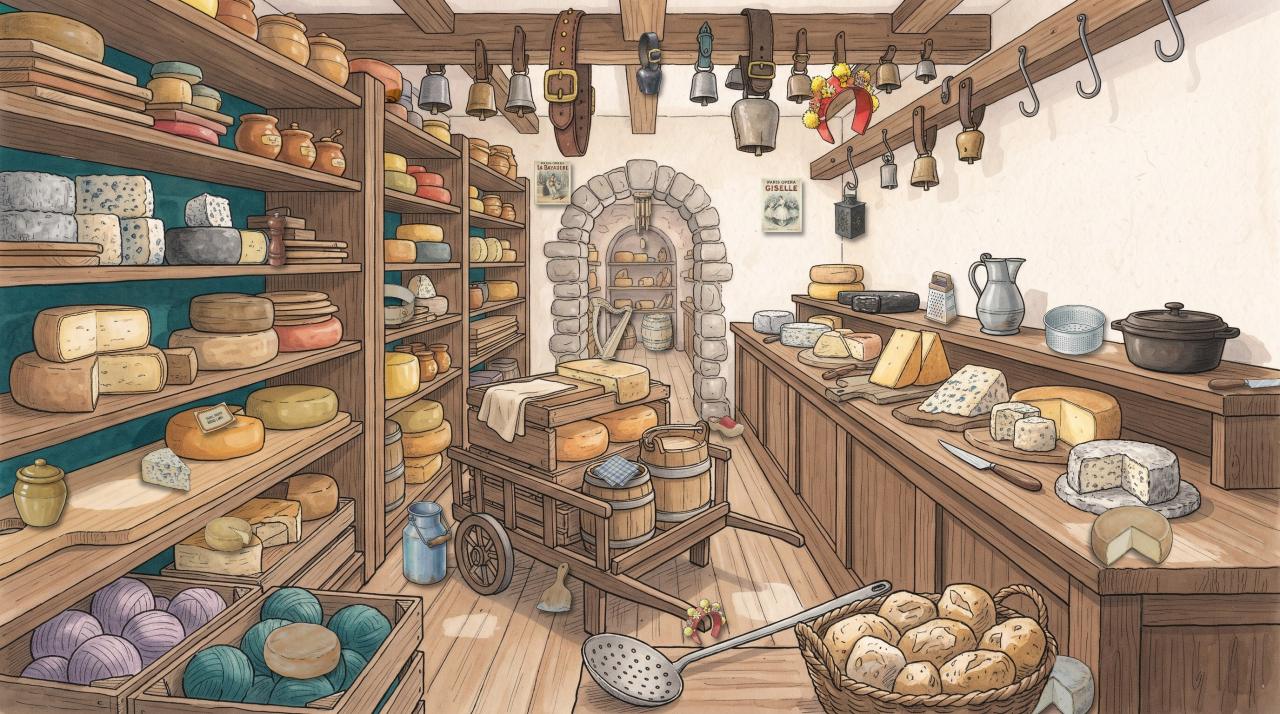
What the game asks of you
Hunting for an object in a picture uses a few things at once. There's staying focused on one task for several minutes without wandering off. There's sorting, setting aside everything that isn't your target among dozens of details. And there's method: sweeping the picture, then going back to the corners you skipped. We do all of that in daily life too, whenever we look for our keys or dig through a pile of mail.
What we see in players
People don't seem to get better because their eyes get quicker. They get better because they get more organized. They search in zones, know when to stop, use the zoom with purpose, and save the hint for last. Patience counts for more than reflexes, which is probably why these games appeal to such a wide range of ages.
What we don't know
We don't claim that any particular game improves memory or protects against anything. Research on "brain training" has produced mixed results, and the gains often show up only on the practiced task itself. This site is entertainment, not treatment, and we won't pretend otherwise.
A word on "focus" in everyday life
Plenty of us feel pulled in ten directions by phones, email and group chats, so a single picture with a single job can feel like a relief. That's not a medical claim, just an observation about how it feels to do one simple thing at a time. A scene that holds your attention for five or ten minutes is its own small reward, whether you're on a lunch break, on the couch or waiting for a flight.
What we can honestly say
- Spending a few minutes on one picture, with no notifications buzzing, is a pleasant break.
- You pick up words along the way: looking for a "funnel" or a "globe" connects a name with a shape.
- Playing with someone else starts conversations, and that's worth something all by itself.
Keeping it healthy
Play when you're in the mood and stop when your attention fades. An observation game is one hobby among many, not a stand-in for sleep, exercise or time with friends. If a scene starts to feel stressful, swap it for another one, or switch games. And if your eyes get tired, our guide Playing on a screen without tiring your eyes has a few easy habits.
See for yourself
The best test is your own. Today's game is one click away, so try it, notice how it feels, and decide whether it's your kind of break.
Your turn to play
Ready to put it into practice? Start with today's game, or browse the hidden objects, hidden letters, hidden numbers and spot the difference games. New here? How to play takes about a minute.
More guides
- How to find hidden objects faster: 10 tricks that actually work
- Hidden object games with kids: what works at each age
- Hidden object games for grandparents and other relaxed players
- Where hidden object games come from
- Behind the scenes: how a hidden object scene gets made
- Spot the difference: a step-by-step game plan
- Hidden letters and numbers: a field guide
- Comfortable screen play: setup, lighting and breaks
- Ten things to do with a hidden object scene
- Our Christmas and winter scenes, from cozy to tricky
- Hidden objects or hidden details: which one suits you?
- How to run a hidden object contest (family, classroom, club)